
Textbook digital marketing and e-commerce definitions often feel abstract. What does “omnichannel retail” actually look like in practice? How does a brand operationalize “zero-party data” or “community commerce”? The fastest way to internalize these concepts is to see how real, recognizable brands execute them at scale.
This guide walks through 10 foundational digital marketing and e-commerce categories, pairs each with a plain-English definition, and then grounds the concept in a documented case study from a well-known brand. By the end, you’ll have a working vocabulary that maps directly to tactics you can borrow, benchmark against, or pitch internally.
Key Takeaways
- Ten categories cover 90% of modern practice: content, SEO, paid social, influencer, email/lifecycle, marketplaces/retail media, omnichannel, DTC/subscription, community/zero-party, and AI personalization.
- Case studies make definitions stick: HubSpot, Airbnb, Gymshark, Daniel Wellington, Chewy, Anker, Target, Dollar Shave Club, Glossier, and Sephora each operationalize one category at world-class scale.
- Top brands run 7–9 channels concurrently versus 3–4 for underperformers, according to Semrush.
- Measurement before scale: document a primary KPI per category before expanding spend.
- AI, retail media, and zero-click search are rewriting the playbook for every category in 2025.
Why Definitions Matter More Than Ever
Clear digital marketing definitions matter because every budget line must be defensible. When executives ask whether a program is “performance,” “brand,” “retention,” or “retail media,” vague answers cost headcount, influence, and funding.
Gartner’s CMO Spend Survey found that marketing budgets dropped to 7.7% of company revenue in 2024, forcing leaders to defend every dollar with precision [Gartner, 2024]. At the same time, global retail e-commerce sales are projected to surpass $6.8 trillion in 2025, with online channels capturing roughly 21% of total retail [Statista, 2024].
Why do precise category labels matter in strategy decks?
Precise labels force precise accountability. If you call Amazon Sponsored Products “paid social,” you’ll staff it wrong, measure it wrong, and attribute it wrong. Correct taxonomy aligns teams, KPIs, and vendor contracts.
How many digital marketing channels should a brand run at once?
Semrush data shows top-performing brands run 7–9 distinct channels concurrently, versus 3–4 for underperformers [Semrush Blog, 2024]. The right number depends on stage: sub-$5M brands should pick two or three, while $50M+ brands need the full stack with specialists per category.
What is the difference between digital marketing and e-commerce?
Digital marketing drives demand (awareness, acquisition, retention) across digital channels. E-commerce is the transactional system that fulfills that demand online. For a deeper breakdown, see our piece on whether digital marketing and e-commerce is the same.
1. Content Marketing — HubSpot
Content marketing creates and distributes valuable, relevant content to attract a clearly defined audience and drive profitable customer action. Unlike advertising, it earns attention rather than renting it, and compounds in value over time.
Definition
Content marketing is a long-horizon discipline that uses blog posts, videos, podcasts, templates, courses, and research reports to build organic reach, authority, and conversion assets owned by the brand.
Case Study
HubSpot is arguably the canonical example. The company built a multi-billion-dollar SaaS business by publishing SEO-optimized blog posts, free templates, certification courses, and research reports targeting marketers, sales teams, and service professionals. HubSpot’s own data shows that companies publishing 16+ blog posts per month generate 3.5x more traffic than those publishing 0–4 posts [HubSpot, 2024]. The blog alone attracts millions of monthly organic visits, which HubSpot converts via gated offers, templates, and freemium product trials.
Lesson
Content marketing compounds. The Content Marketing Institute reports that 58% of B2B marketers say content marketing helped them generate sales and revenue in the past 12 months [Content Marketing Institute, 2024]. The HubSpot flywheel — blog → free tool → email nurture → CRM → paid product — is a replicable template for any brand with a knowledgeable audience.
2. Search Engine Optimization (SEO) — Airbnb
SEO improves a website’s visibility in organic (unpaid) search results through technical health, content relevance, and authoritative backlinks. At scale, SEO becomes a durable moat that reduces dependence on paid acquisition.
Definition
SEO combines three pillars: technical SEO (crawlability, speed, structured data), on-page SEO (content, intent match, internal linking), and off-page SEO (backlinks, brand mentions, authority).
Case Study
Airbnb built one of the largest programmatic SEO footprints on the web by generating millions of location-based landing pages (e.g., “Vacation rentals in Lisbon”). Each page combines unique listings, local guides, reviews, and structured data. Ahrefs has estimated Airbnb attracts hundreds of millions of organic visits annually across its localized URL structure [Ahrefs Blog, 2023]. This organic engine materially reduces Airbnb’s dependence on paid acquisition — a crucial moat in a category where OTAs spend billions on Google Ads.
Lesson
SEO scales when you combine technical templating with genuinely useful, differentiated content on each URL. Moz research consistently shows that content depth, backlink diversity, and search intent alignment are the top correlating factors with first-page rankings [Moz, 2023]. If your catalog is underperforming organically, our SEO & E-Commerce Playbook walks through the rescue sequence.
3. Paid Social (Performance Marketing) — Gymshark

Paid social refers to advertising on social platforms (Meta, TikTok, Pinterest, LinkedIn, Snap) priced on impressions, clicks, or outcomes. It is typically bucketed under “performance marketing” when optimized for measurable conversions like purchases or leads.
Definition
Paid social campaigns combine audience targeting, creative, bidding strategy, and measurement to deliver incremental revenue. The biggest lever in 2025 is creative volume and quality, not targeting precision.
Case Study
Gymshark grew from a UK garage startup to a $1.3B+ valuation almost entirely on the back of social-first marketing, with Meta and later TikTok ads as the primary paid lever [Shopify Plus, 2022]. The brand pairs ads with athlete creators, UGC-style creative, and launch-day scarcity to maintain CPMs well below category averages. Meta’s own case documentation highlights how Gymshark’s Advantage+ Shopping campaigns delivered strong incremental ROAS compared with manual campaigns [Meta for Business, 2023].
Lesson
Paid social works best when creative volume is treated as the primary growth lever. Meta recommends refreshing creative every 1–2 weeks for performance campaigns to combat ad fatigue, which can cut CTR by more than 50% within three weeks of exposure [Meta for Business, 2023]. For a decision framework on automation versus manual control, see our analysis of Meta Advantage+ Shopping vs Manual ASC.
4. Influencer & Creator Marketing — Daniel Wellington
Influencer marketing is a paid or incentivized partnership with a content creator who has an established audience, in exchange for branded content, affiliate codes, or whitelisted ads. It blurs the line between media buy and PR.
Definition
Modern creator marketing spans three sub-disciplines: product seeding (free product, no obligation), paid partnerships (sponsored posts), and whitelisted ads (brand runs ads from the creator’s handle).
Case Study
Daniel Wellington is the textbook example of micro-influencer scale. Between 2014 and 2019, the Swedish watch brand seeded free products and offered discount codes (e.g., “DWJOHN15”) to tens of thousands of mid-tier Instagram creators, driving reported revenues above $200M at peak with a lean paid budget [Econsultancy, 2019]. The approach built both direct sales (via trackable codes) and massive aesthetic ubiquity in the fashion-watch niche.
Lesson
Influencer marketing ROI depends on volume, attribution clarity (unique codes or UTM links), and category fit. According to a Statista survey, 69% of consumers trust influencer recommendations over brand-produced content, which explains the category’s continued double-digit growth [Statista, 2024].
5. Email & Lifecycle Marketing — Chewy
Email and lifecycle marketing use owned channels (email, SMS, push) and segmented triggers to drive repeat purchase, retention, and LTV expansion across the customer journey. It is the single highest-ROI channel for most e-commerce brands.
Definition
Lifecycle marketing orchestrates the right message, at the right moment, through the right channel, based on behavior and declared preferences — from welcome and abandonment to replenishment, winback, and VIP.
Case Study
Chewy, the pet e-commerce giant, is famous for lifecycle moments that feel human. Beyond standard flows (welcome, abandonment, replenishment), Chewy sends handwritten holiday cards, pet portraits, and sympathy flowers when a customer loses a pet. These moments drive viral word-of-mouth, but the underlying email program is also sophisticated: Chewy’s auto-ship replenishment emails are a core driver of its reported 70%+ auto-ship revenue mix [Digital Commerce 360, 2023].
Lesson
Klaviyo benchmarks show flows (triggered emails) generate roughly 30–40% of total email revenue despite representing a small share of send volume, making them the highest-ROI investment for most e-commerce teams [Klaviyo Blog, 2024]. Mailchimp data similarly places average email ROI at approximately $36 for every $1 spent [Mailchimp, 2023].
6. Marketplaces & Retail Media — Amazon Sellers (Anker)
Marketplaces are third-party platforms (Amazon, Walmart, Target+, TikTok Shop) where brands sell. Retail media networks are the ad businesses those marketplaces run, allowing sellers to buy sponsored visibility against first-party shopper data.
Definition
Retail media sits at the intersection of commerce and advertising: shoppers are already in buying mode, and the platform owns the transaction, which produces closed-loop attribution unavailable in most other channels.
Case Study
Anker, the consumer electronics brand, built a billion-dollar business substantially on Amazon by pairing excellent reviews with aggressive Sponsored Products, Sponsored Brands, and Amazon DSP spend. Amazon’s advertising revenue reached over $46 billion in 2023, with sellers like Anker consistently cited as top category spenders [eMarketer, 2024]. Anker’s playbook — launch with a tight SKU, dominate the search term with sponsored placements, then expand to Amazon DSP for retargeting — is now standard for electronics and home goods brands.
Lesson
Retail media is the fastest-growing digital ad category, projected to exceed $140 billion globally in 2024 and account for roughly 20% of all digital ad spend [eMarketer, 2024]. Any brand with marketplace revenue should treat retail media as a core line item, not an afterthought.
7. Omnichannel Retail — Target
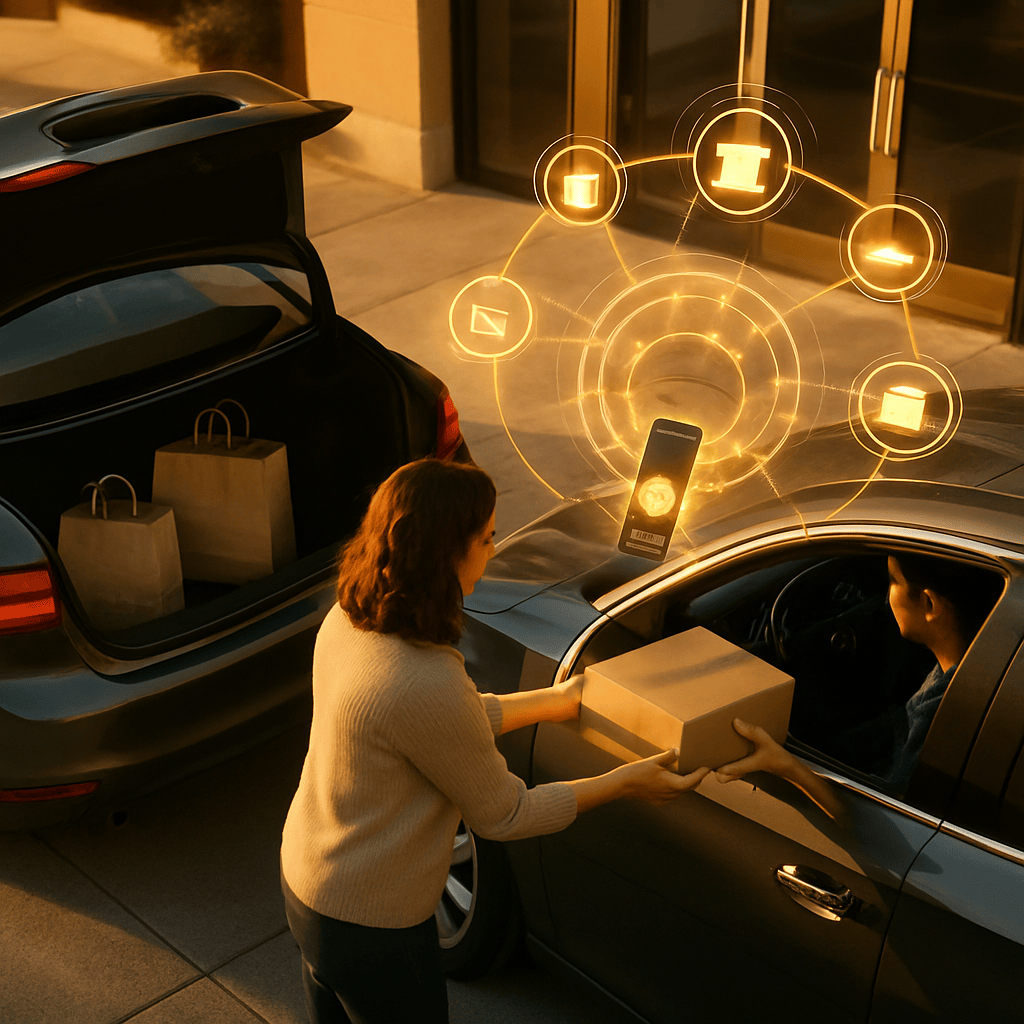
Omnichannel retail unifies online and offline inventory, pricing, promotions, and customer data so that shoppers experience a single brand regardless of channel. It is distinct from multichannel, which simply means being present in multiple channels.
Definition
Omnichannel integration spans five layers: inventory visibility, unified identity, consistent pricing and promotions, cross-channel fulfillment (BOPIS, ship-from-store, curbside), and shared loyalty.
Case Study
Target’s omnichannel strategy, anchored by Drive Up, Order Pickup, and Shipt, now fulfills more than 95% of its digital sales from stores. Target has reported that same-day services grew to represent more than 10% of total sales, driving significantly lower fulfillment costs than ship-from-DC [Digital Commerce 360, 2023]. McKinsey research supports the broader thesis: omnichannel shoppers spend 1.7x more than single-channel shoppers on average [McKinsey Digital, 2023].
Lesson
Omnichannel isn’t about having every channel — it’s about integrating inventory, identity, and loyalty across them. Forrester has noted that retailers who unify in-store and digital customer data see 10–20% higher retention than siloed peers [Forrester Research, 2023].
8. Direct-to-Consumer (DTC) & Subscription — Dollar Shave Club
DTC describes brands that sell directly to end consumers via their own channels, bypassing wholesale intermediaries. Subscription e-commerce layers recurring billing (replenishment, curation, or access) on top of that model.
Definition
DTC is a go-to-market model, not a channel. Subscription is a billing architecture that converts episodic purchase behavior into recurring revenue, improving LTV predictability and inventory planning.
Case Study
Dollar Shave Club disrupted the razor category — dominated by Gillette’s retail stronghold — by combining a viral YouTube launch video (over 28 million views) with a $1/month subscription offer. The brand reached roughly 3 million subscribers before Unilever acquired it for $1 billion in 2016 [Econsultancy, 2016]. DSC proved that owning the customer relationship, data, and payment schedule could unseat a legacy CPG incumbent.
Lesson
Subscription models shine when the product has predictable consumption and clear convenience value. However, Shopify data notes that subscription churn averages 5–10% monthly for consumables, meaning onboarding, flexibility (skip/swap), and value reinforcement must be designed from day one [Shopify, 2024]. DTC brands considering wholesale should read our guide on wholesale channel strategy for DTC brands to avoid cannibalization.
9. Community & Zero-Party Data Commerce — Glossier
Community commerce treats the customer base itself as a marketing engine — a source of UGC, product ideas, and peer-to-peer referrals. Zero-party data is information customers intentionally share (preferences, goals, skin type) via quizzes, polls, or profiles.
Definition
Zero-party data differs from first-party data (observed behavior) and third-party data (purchased from brokers). It is explicitly declared, which makes it both more accurate and more privacy-compliant.
Case Study
Glossier famously built its product line from the Into The Gloss blog’s comment section, crowdsourcing requests for cleansers, moisturizers, and tints before investing in SKUs. The brand reached a $1.2B valuation while reporting that 70%+ of online sales and traffic were driven by peers through social, referral, and organic rather than paid acquisition [Econsultancy, 2019]. Quizzes and feedback loops captured zero-party data that fed both product development and segmentation.
Lesson
Zero-party data has become more valuable post-iOS 14.5 and amid the deprecation of third-party cookies. Forrester reports that 90% of marketers plan to increase their use of zero- and first-party data to replace lost signal [Forrester Research, 2023]. Quiz funnels, loyalty profile enrichment, and community platforms are now core infrastructure, not experiments.
10. AI-Powered Personalization & Automation — Sephora
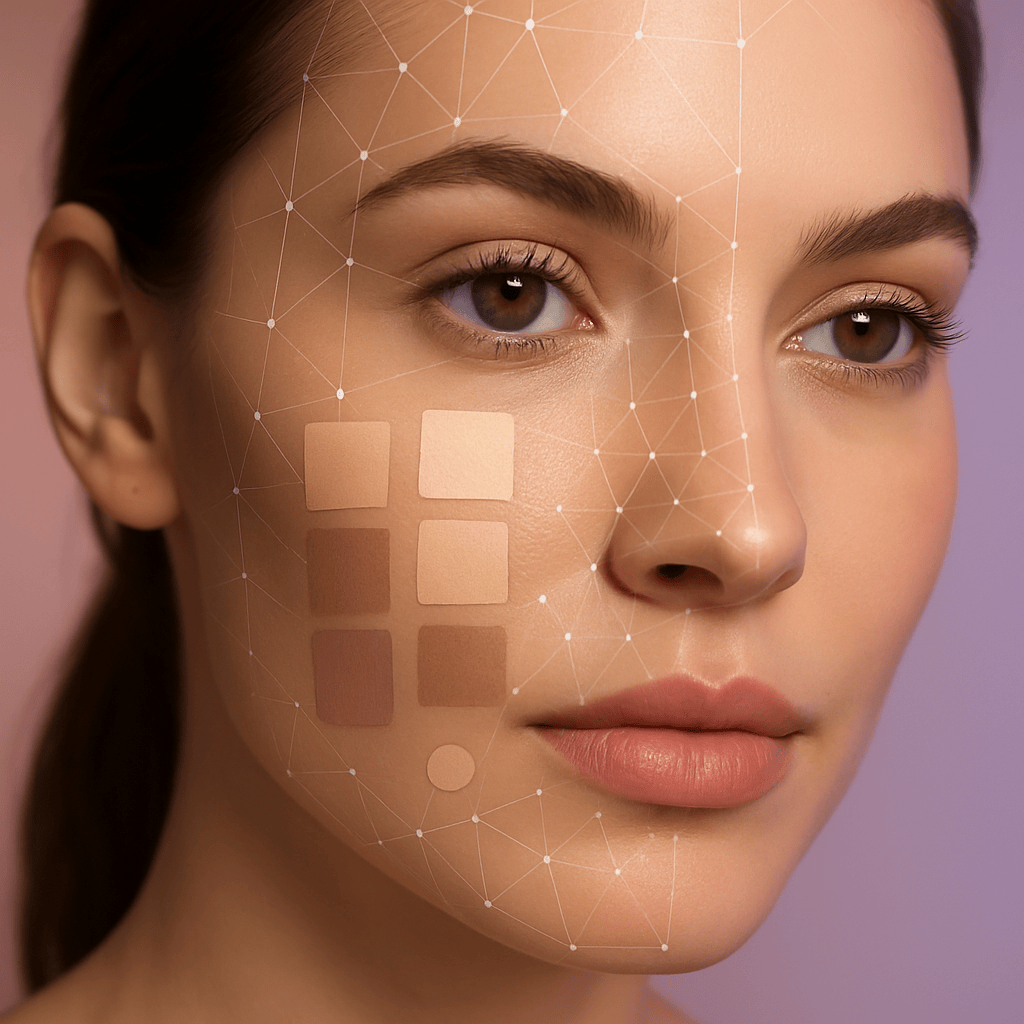
AI-driven personalization uses machine learning to tailor product recommendations, pricing, creative, and messaging based on behavioral, transactional, and declared data. Marketing automation operationalizes those decisions across channels at scale.
Definition
Personalization spans four surfaces: onsite (recommendations, search, content), lifecycle (triggered email, SMS, push), paid (dynamic creative), and in-store (clienteling apps, kiosks).
Case Study
Sephora’s Beauty Insider program, mobile app, Virtual Artist AR try-on, and personalized product recommendations have been built on a deep investment in data science and AI. The brand’s loyalty program has over 34 million members, who drive the majority of its sales, with personalization engines tailoring content and offers across email, app, and in-store [Digital Commerce 360, 2023]. Sephora also integrates reorder reminders, shade-match AI, and AI chat concierge to reduce friction across the journey.
Lesson
McKinsey research found that companies excelling at personalization generate 40% more revenue from those activities than average players [McKinsey Digital, 2023]. Starting points for most brands include personalized onsite search, triggered lifecycle emails, and AI-driven product recommendations — all of which have mature off-the-shelf solutions.
How the 10 Categories Fit Together
These disciplines don’t operate in isolation. In a mature organization, they stack into a layered growth system that connects demand capture, demand generation, monetization, and the underlying operating model.
- Foundation (demand capture): SEO, content marketing, marketplaces/retail media.
- Acceleration (demand generation): Paid social, influencer marketing, community commerce.
- Monetization (conversion & LTV): Email/lifecycle, personalization, subscription, DTC owned channels.
- Operating model: Omnichannel integration, zero-party data strategy, AI automation.
Semrush’s State of Marketing data shows top-performing brands run an average of 7–9 distinct channels concurrently, versus 3–4 for underperformers [Semrush Blog, 2024]. The “specialist vs. generalist” debate is largely settled: you need specialists executing within each category and a generalist (CMO, head of growth, or e-commerce director) architecting how they interlock. If you’re designing the org, our breakdown of digital marketing vs e-commerce teams maps roles to responsibilities.
Practical Framework: Mapping Case Studies to Your Business
The point of case studies isn’t admiration — it’s replication. Here is a four-step framework for turning the examples above into prioritized action in your own organization.
Step 1: Audit What You Already Do
Take each of the 10 categories and score your current execution on a 1–5 scale. Be honest — most brands under $10M run three categories well, dabble in two more, and ignore the rest. According to a Gartner survey, less than 25% of marketing leaders say they can measure the ROI of their full marketing mix with confidence [Gartner, 2024].
Step 2: Identify the Highest-Leverage Gap
Not every category belongs in every strategy. A B2B SaaS company likely doesn’t need TikTok Shop; a candle brand likely doesn’t need account-based marketing. Prioritize the gap most likely to compound: for most sub-$5M DTC brands, that’s lifecycle email or SEO. For $5M–$50M brands, it’s typically retail media, personalization, or omnichannel.
Step 3: Steal Shamelessly From the Case Study
Every brand above has public case studies, interviews, podcasts, and reverse-engineerable landing pages. Ahrefs or Semrush can show you a competitor’s top organic pages; Meta Ad Library shows every ad they’re running; email tools like MailCharts show their flows. Use real brand executions as benchmarks, not aspirations.
Step 4: Invest in Measurement Before Scale
Each category needs its own primary KPI (organic sessions for SEO, ROAS for paid social, repeat purchase rate for lifecycle, LTV:CAC for subscription). HubSpot’s State of Marketing report found that marketers who document their strategy and measurement framework are 414% more likely to report success than those who don’t [HubSpot, 2024].
Common Misclassifications to Avoid
Mislabeling categories is where strategy decks lose credibility fastest. These five confusions appear in nearly every mid-market plan we review.
- Confusing retail media with paid social: Amazon Sponsored Products is retail media, not Meta ads. The buying center, creative requirements, and attribution model differ fundamentally.
- Treating influencer as paid social: Whitelisted creator ads blur the line, but organic creator seeding and affiliate are distinct disciplines with different KPIs.
- Calling an email list “zero-party data”: Email addresses are first-party data. Zero-party data is explicitly declared preference information.
- Equating DTC with e-commerce: DTC is a go-to-market model; e-commerce is a channel. A brand can be DTC via retail stores (Warby Parker’s early model) or wholesale-first with an e-commerce site.
- Confusing omnichannel with multichannel: Multichannel means being present in many channels. Omnichannel means those channels share inventory, identity, and promotions.
What’s Changing in 2025 and Beyond
Three forces are reshaping how these categories evolve, and every brand should pressure-test its roadmap against them.
1. AI reconfigures the stack. Generative AI is collapsing creative production costs, enabling the creative volume that platforms like Meta demand. Gartner predicts that by 2026, 80% of creative work in performance marketing will be AI-assisted [Gartner, 2024].
2. Zero-click search and LLM discovery. With AI Overviews and ChatGPT-style discovery, “SEO” is expanding into “answer engine optimization.” Search Engine Journal reports that AI Overviews now appear on a growing share of commercial queries, cutting click-through rates on classic blue links [Search Engine Journal, 2024].
3. Retail media eats search. As Amazon, Walmart, and even Instacart build out their ad businesses, product discovery is shifting away from Google. eMarketer projects retail media will overtake traditional TV ad spending within the decade [eMarketer, 2024].
The brands profiled above all share one trait: they treat definitions as living, not static. HubSpot kept redefining “inbound” as the search landscape evolved. Target rebuilt “omnichannel” around same-day fulfillment. Sephora reframed “loyalty” as a personalization engine. Your category definitions should evolve too.
Frequently Asked Questions
What are the main categories of digital marketing and e-commerce?
The ten foundational categories are content marketing, SEO, paid social, influencer/creator marketing, email and lifecycle marketing, marketplaces and retail media, omnichannel retail, DTC and subscription, community and zero-party data commerce, and AI-powered personalization. Together they span demand capture, demand generation, monetization, and the operating model.
Which digital marketing category delivers the highest ROI?
For most e-commerce brands, email and lifecycle marketing deliver the highest ROI, with Mailchimp data citing roughly $36 return per $1 spent. Flows alone generate 30–40% of total email revenue despite being a small share of volume. For B2B and content-rich categories, SEO and content marketing compound over longer horizons.
How is zero-party data different from first-party data?
First-party data is observed behavior collected from your own channels — purchases, clicks, email opens. Zero-party data is explicitly declared by the customer, such as skin type via a quiz, preferred send cadence via a preference center, or gifting intent via a form. Zero-party data is more accurate and privacy-compliant but requires explicit collection design.
What is the difference between omnichannel and multichannel retail?
Multichannel means operating in multiple channels (store, site, marketplace) with each run independently. Omnichannel integrates inventory, identity, pricing, and promotions so a customer experiences one brand across every touchpoint. Target’s Drive Up and Order Pickup services are classic omnichannel examples because they rely on unified inventory and identity.
How much should a small brand budget per category?
Sub-$5M brands should concentrate 70–80% of budget in two to three categories (typically SEO/content, paid social, and lifecycle email) and reserve the rest for experimentation. As revenue scales past $10M, add retail media and personalization. By $50M+, specialists should own each of the ten categories, coordinated by a head of growth or CMO.
Is influencer marketing worth it in 2025?
Yes, when executed with volume, attribution clarity, and category fit. Statista reports 69% of consumers trust influencer recommendations over brand content. Micro-influencer seeding (like Daniel Wellington’s playbook) remains cost-efficient, while whitelisted creator ads increasingly outperform studio creative on Meta and TikTok.
How is AI changing digital marketing categories?
How is AI changing digital marketing categories?AI is collapsing the cost of creative production, enabling the volume that paid social platforms reward. It is also powering personalization engines across onsite search, lifecycle messaging, and dynamic ads. Gartner predicts 80% of performance marketing creative will be AI-assisted by 2026, making AI fluency table stakes for every category.
References
Gartner (2024). CMO Spend Survey 2024. https://www.gartner.com/en/marketing/research/annual-cmo-spend-survey-research
Statista (2024). Retail e-commerce sales worldwide from 2014 to 2027. https://www.statista.com/statistics/379046/worldwide-retail-e-commerce-sales/
HubSpot (2024). State of Marketing Report. https://www.hubspot.com/state-of-marketing
Content Marketing Institute (2024). B2B Content Marketing Benchmarks, Budgets, and Trends. https://contentmarketinginstitute.com/articles/b2b-content-marketing-research
Ahrefs Blog (2023). How Airbnb Dominates SEO. https://ahrefs.com/blog/
Moz (2023). Search Engine Ranking Factors. https://moz.com/search-ranking-factors
Shopify Plus (2022). Gymshark: How a UK Garage Startup Became a Global Fitness Brand. https://www.shopify.com/plus/customers/gymshark
Meta for Business (2023). Advantage+ Shopping Campaigns Performance Data. https://www.facebook.com/business/news
Econsultancy (2019). Daniel Wellington: A Case Study in Influencer Marketing. https://econsultancy.com/
Statista (2024). Influencer Marketing Trust and Spending Data. https://www.statista.com/topics/2496/influence-marketing/
Digital Commerce 360 (2023). Chewy auto-ship and retention analysis. https://www.digitalcommerce360.com/
Klaviyo Blog (2024). Email Marketing Benchmarks by Industry. https://www.klaviyo.com/blog
Mailchimp (2023). Email Marketing Statistics and Benchmarks. https://mailchimp.com/resources/email-marketing-benchmarks/
eMarketer (2024). Retail Media Ad Spend Forecast. https://www.emarketer.com/
Digital Commerce 360 (2023). Target same-day services analysis. https://www.digitalcommerce360.com/
McKinsey Digital (2023). The value of getting personalization right — or wrong. https://www.mckinsey.com/capabilities/growth-marketing-and-sales/our-insights
Forrester Research (2023). The State of Retail Customer Data. https://www.forrester.com/research/
Econsultancy (2016). Dollar Shave Club acquisition analysis. https://econsultancy.com/
Shopify (2024). Subscription Commerce Benchmarks. https://www.shopify.com/blog
Semrush Blog (2024). State of Marketing Report. https://www.semrush.com/blog/
Search Engine Journal (2024). AI Overviews Impact on Click-Through Rates. https://www.searchenginejournal.com/